Your Bristol Window File: What to Keep, What to Chase, and What to Do When There’s Nothing There
Most of us treat a window project like a design decision. We agonise over frame colour, compare glass specs, debate handles, then spend a Saturday clearing out the spare room so the fitters can get in. The certificate that arrives afterwards? It goes in a drawer, or a pile, or an email folder nobody opens again.
That is fine until it isn’t. A buyer’s solicitor asks for evidence that the glazing was notified. A surveyor flags replacement windows with no paperwork. An insurer wants proof that the guarantee is still live. Suddenly the drawer becomes very important.
This is not a scare story. It is a paperwork health check — the sort of thing you can sort out in twenty minutes with a mug of tea and a bit of patience.
Why the paper matters more than the brochure
A window is a fixed part of the building. When you sell, remortgage or claim on insurance, the question is rarely “was it a nice window?” It is “can you show it was done properly?”
In England and Wales, replacing windows and doors is controlled building work. That means the installation should either be notified to the local authority building control team or carried out by a registered competent person who can self-certify. In Bristol, that usually means a FENSA-registered installer or another competent person scheme member. The certificate is the proof.
Without it, you are not automatically in trouble. But you may have to pay for a regularisation certificate, answer awkward questions, or accept a price chip when you sell. The paperwork is cheaper than the problem.
The two bits of paper people mix up
There are two separate things a good installer should leave behind, and they are not the same.
The first is the competent person certificate — often a FENSA certificate or equivalent from another scheme. It shows the installation was self-certified by a registered business and notified to the relevant body.
The second is Building Regulations compliance. Sometimes the scheme certificate covers this. Sometimes it does not, particularly on older jobs, unusual properties or work that was not notifiable in the same way. If you have a certificate that mentions building control, read it properly. If it only says “FENSA”, check whether it confirms compliance or just registration.
For a Bristol homeowner, the practical point is simple: you want a document that a solicitor, surveyor or building control officer will accept without a long explanation.
Warranty, guarantee — and the bit people miss
A manufacturer’s warranty is usually tied to the product. It might cover the glass unit, the profile, the hardware or the coating for a set number of years. It is useful, but it depends on the manufacturer still being around and on the claim being made in the right way.
An insurance-backed guarantee is different. It is a guarantee that is backed by an insurer, so if the installer goes bust, the cover should still mean something. Not every installation comes with one. Not every policy is worth the paper it is printed on. But if you have one, keep it with the certificate — and check whether it needs registering or renewing.
The classic mistake is assuming the installer’s ten-year guarantee is insurance-backed when it is simply a promise from a company that may not exist in ten years. Neither is automatically bad. They are just different, and you should know which one you have.
What a proper window file contains
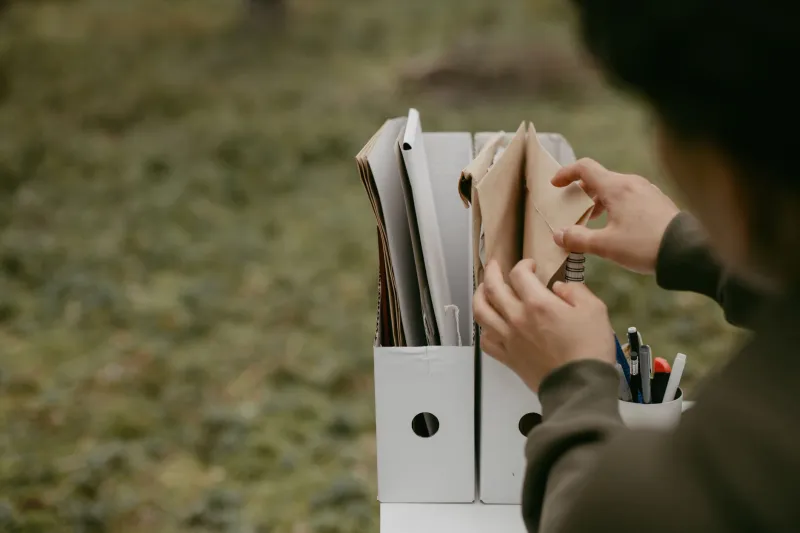
A good file does not need to be a lever-arch monster. It needs to answer the obvious questions. Here is the checklist we would suggest for any Bristol home:
- The FENSA or competent person certificate for each installation, with the address and date visible.
- Building Regulations compliance evidence, if it is separate from the scheme certificate.
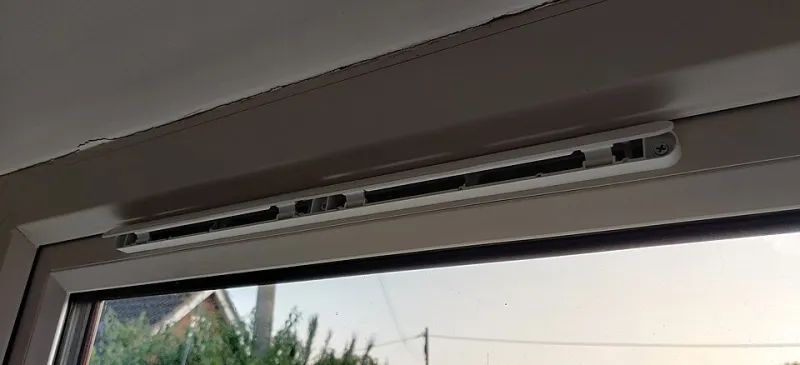
- The original quote and contract, including the specification: glass type, frame material, U-values, trickle vents if fitted.
- The manufacturer’s warranty documents, with the product details and any serial numbers.
- Any insurance-backed guarantee certificate, plus the policy terms and registration confirmation.
- Installer contact details and company number, even if the firm has since closed.
- A simple photo log of the windows before, during and after installation. This is not official, but it is surprisingly useful.
- Maintenance notes — who adjusted the hinges, when the seals were checked, which parts were replaced.
If you have moved into a home where the windows were fitted years ago, you may only have some of this. That is normal. Start with what you have and build from there.
If the previous owner left nothing behind
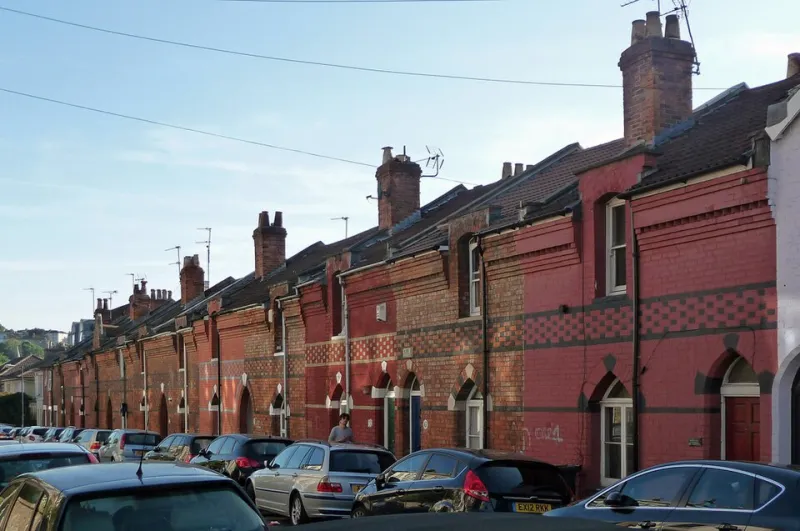
This is common in Bristol, especially in older terraces and flats that have changed hands a few times. The first step is to check the obvious places: the solicitor’s pack from your purchase, the loft, the meter cupboard, the folder of appliance manuals, and your own email archive. Sometimes a certificate is attached to a survey or a mortgage document.
If nothing turns up, contact the original installer if you can find them. Then try the scheme provider — FENSA or the relevant competent person body — with the address and approximate installation date. They may be able to search their records, though there is no guarantee.
If the work was done before the current notification rules, or the trail has genuinely gone, you can ask Bristol City Council building control about a regularisation certificate. It is not free and it is not instant, but it gives you a document to file. For a future sale, that is often better than a shrug.
A twenty-minute weekend audit
You do not need to become a paperwork archivist. Just do this:
- Find every window-related document you have and put it in one folder — paper or digital.
- Check the address and date on each certificate. If they are missing or wrong, note it.
- Separate the warranty from the guarantee. Label them clearly.
- Photograph the folder’s contents and back it up.
- Write a one-page summary: installation date, installer, certificate number, guarantee type, and any gaps.
That summary is the document you will actually use when someone asks. The rest is supporting evidence.
Windows are a long-term purchase. The fitter leaves, the brochure gets recycled, but the file should outlast the scaffolding. If yours is thin, start now — before someone else asks for it.