When Good Windows Trap Bad Air: A Bristol Ventilation Game Plan
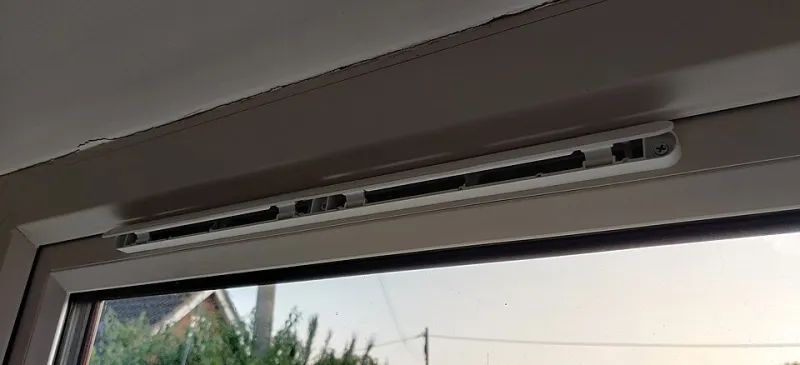
Photo: JamesKingdom, CC BY-SA 4.0, via Wikimedia Commons
There's a moment after new windows go in when a Bristol house goes quiet. The rumble from the Gloucester Road fades, the sash rattle in the back bedroom stops, and the front room suddenly holds its heat like a Thermos. Lovely. Then, about ten days later, you notice the bedroom smells faintly of last night's curry and the inside of the glass is streaming by morning. That's not a dodgy window. It's a change in how the house breathes.
The draught wasn't entirely the enemy
Old windows in Bristol leak. A Victorian terrace in Easton with tired sashes, a 1930s semi in Horfield with steel Crittalls, a Redland flat with timber casements — they all let air slip in around the beads and through the gaps. We spent years cursing those draughts, and fair enough: they cost money to heat. But they were also doing a job. Uncontrolled ventilation, admittedly at a hefty price.
When you fit modern double or triple glazing, you close that path. Frames are sealed, gaskets sit tight, and the house becomes dramatically more airtight. Building regulations know this. Part F of the Building Regulations requires ventilation to be considered whenever windows are replaced, and in most cases that means trickle vents or another form of background ventilation. It isn't box-ticking for the sake of it. A sealed house with no planned air path is a condensation factory waiting to happen.
What trickle vents actually do
A trickle vent is a small slot, usually in the window head or frame, with a flap you can open or close. Some are manual; others are humidity-controlled and open themselves when the room gets damp. They provide background ventilation — a slow, continuous trickle of fresh air that keeps moisture moving out without turning the room into a wind tunnel.
They are not a magic solution. They won't clear steam from a shower in two minutes, and they won't stop a kitchen full of frying smells unless you also use an extractor. They are the baseline, not the whole system. The most common mistake we see is someone closing every trickle vent because they can feel a faint cool draught on their neck, then wondering why the bay window in the front room grows black mould behind the curtains. If noise is the issue, acoustic trickle vents exist and are worth asking about on a busy road like the Wells Road or Bedminster Parade.
Background versus purge — know the difference
Background ventilation is the slow stuff: trickle vents, air bricks, the little gap under a traditional front door. Purge ventilation is the opposite — throwing windows wide open for five or ten minutes to shift a roomful of stale air fast.
Bristol homeowners often get this backwards. They leave a window cracked all day in January, lose a chunk of heat, and still feel stuffy. A short, sharp purge is usually better: open opposite windows for ten minutes in the morning and again before bed, then shut them. The walls and furniture don't have time to cool down properly, so you get the air change without paying to reheat the fabric of the house.
Let the wet rooms do the heavy lifting
Most of the moisture in a Bristol home comes from two places: the bathroom and the kitchen. If your extractor fan sounds like a wheezing bee and hasn't been cleaned since the last Jubilee, it isn't doing much. A decent bathroom fan should run for at least fifteen minutes after a shower, ideally on a run-on timer or humidity sensor. In the kitchen, a recirculating hob filter is better than nothing but it doesn't remove moisture — it just moves it around. Ducted extract to outside is the real fix.
When you're having windows fitted, it's a sensible moment to check the ducting. In older Bristol houses, flexible hose is often crushed in the loft or disconnected behind a cupboard. No amount of new glazing will compensate for a fan blowing damp air into a void.
A room-by-room routine that works
Bedrooms: leave the trickle vent open overnight, even in winter, and purge the room properly when you get up. Don't let curtains drape over the vent.
Living rooms: purge before guests arrive and after cooking if your kitchen is open-plan. A quick cross-draught beats a permanently ajar window.
Kitchen: run the extractor while you cook and for ten minutes after. If you're boiling pasta for twenty minutes, that steam has to go somewhere.
Bathroom: fan on, window cracked if you have one, and wipe down wet surfaces. Squeegee the shower screen — it takes thirty seconds and saves hours of mould scrubbing.
Laundry: drying clothes indoors is the biggest hidden moisture source in most homes. If you must do it, use a room with an extractor or a decent dehumidifier, and keep the door shut so the damp doesn't migrate.
Reading the signs
A cheap hygrometer is a genuinely useful bit of kit. Aim for roughly 40–60% relative humidity in living areas. Below 40% feels dry; above 70% and you're inviting condensation and mould. Morning condensation on new double glazing isn't normal — it's a signal that moisture is being produced faster than it's being removed. Black spots in corners, a musty smell in wardrobes, or windows that stream every day all point the same way.
Don't undo the gains
Sealing up trickle vents and then running a dehumidifier is fighting physics with electricity. A trickle vent is a controlled leak, and the heat lost through it is small compared with the heat you've saved by fitting decent glazing. If you've had a wood burner installed, ventilation matters even more — it needs air to draw properly, and a sealed room can make it struggle.
Get it specified before the frames go in
Ventilation is easiest to plan at quote stage, not after the fitters have gone. Ask your installer which rooms get trickle vents, whether humidity-controlled or acoustic versions make sense, and where extract ducting runs. If you're doing a deep retrofit — insulation, new windows, the lot — it's worth a conversation about whole-house ventilation, though for most Bristol terraces a well-planned set of background vents and decent extract fans is the practical answer.
A new window isn't a sealed box. It's part of a house that has to breathe. Get the balance right and you keep the warmth, lose the stuffiness, and stop the mould before it starts.