Conservatory Comfort: The Bristol Winter Glazing Audit That Saves You Spending Twice
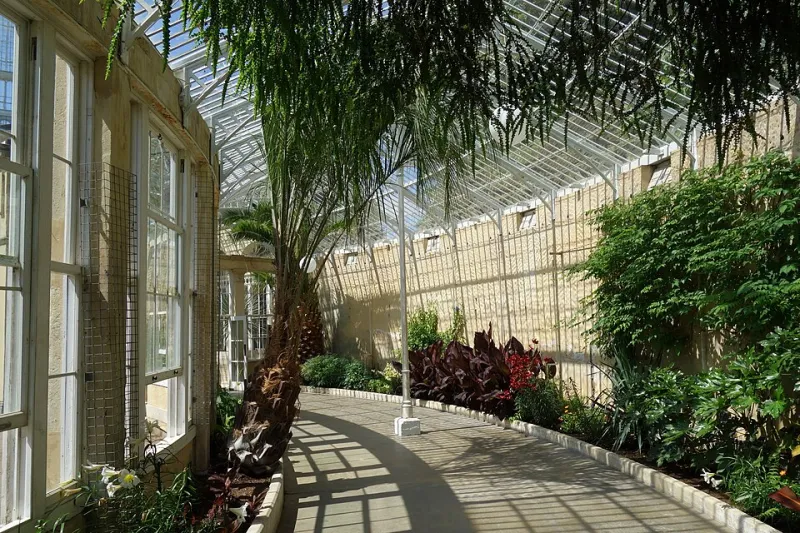
Photo: Daderot, Public domain, via Wikimedia Commons
November in Bristol has a way of exposing every weak point in a conservatory. The rain starts coming in sideways, the temperature drops, and suddenly that bright extra room becomes the place where you store the ironing board and a sad-looking poinsettia. It is tempting to assume the glass is to blame and start pricing up a full replacement. Sometimes that is the right answer. Often, though, a conservatory underperforms because several smaller things are working against each other: a tired roof, draughty doors, sealed-up vents and too much solar gain in the low winter sun.
Before you spend in 2026, treat the conservatory as a system rather than a single glazing problem. A proper audit can save you from buying the wrong fix — or paying twice.
Start with the honest diagnosis
Cold, damp and overheating are three different complaints, and they do not always have the same cure. If the room is cold at the edges but warm in the middle, suspect draughts, cold bridges and poor seals rather than the whole glazing specification. If condensation sits on the glass but the frames are dry, the glass may simply be the coldest surface in a humid room. If water beads on the roof panels or runs down the walls, ventilation and moisture are part of the story. If the room becomes uncomfortably hot even on a bright November afternoon, solar control and shading matter as much as insulation.
Walk around the room on a damp day. Check door thresholds, conservatory-to-house doors, roof vents, window handles, gaskets and the base of the frames. Look for stained plaster, swollen skirting, black spots on silicone and gaps you can see daylight through. Those clues tell you where the money should go first.
Roof glazing is usually the biggest lever
Most heat lost from a conservatory goes through the roof. If yours still has old polycarbonate sheets, single-glazed roof panels or units with blown seals, the roof is the first place to focus. Upgrading to double or triple-glazed roof units with a low-emissivity coating, warm-edge spacers and argon filling can make a noticeable difference to comfort. Solar-control glass is worth considering on south- or west-facing roofs, because it reduces summer overheating without turning the room into a cave.
That said, glass roof upgrades are not magic. A glazed roof will always be cooler near the glass than a solid roof, and a poorly sealed roof will still leak heat and water. If the roof structure is sound and the frames are in good order, a glass-only upgrade can be sensible. If the roof is old, leaking, sagging or fitted with tired polycarbonate, a replacement roof — whether high-performance glazing or an insulated solid roof — is often the better long-term spend. For a conservatory that is thermally separated from the house, check what building regulations and any local consent requirements mean for your address before work starts.
Wall glazing and frames deserve a closer look
Conservatories often have more wall glazing than homeowners realise. Full-height windows and doors lose heat through the glass, but also through the frames, seals and hinges. If the frames are modern and structurally sound, upgrading the glass units to a better thermal specification may be enough. If you have old aluminium frames without a thermal break, or timber frames that are soft and draughty, new frames may deliver more benefit than new glass alone.
Ask for the U-value of the whole window or door, not just the glass centre pane. Ask about warm-edge spacers, gaskets and drainage. On south-facing walls, solar-control glass can reduce glare and overheating; on shaded north-facing walls, prioritise insulation and airtightness instead. A room-by-room approach stops you paying for solar control where you need heat retention, or vice versa.
Ventilation and moisture are not optional
A conservatory is a humid room attached to a house. Cooking, drying laundry, plants and even breathing add moisture to the air. If every trickle vent has been taped over and the doors are kept shut all winter, condensation is almost guaranteed. Modern conservatories need controlled ventilation, not sealed boxes.
Check that trickle vents open, roof vents work and extract fans are not blocked. Cross-ventilation matters, so make sure openings on opposite sides can actually be used. If condensation persists, a dehumidifier can help temporarily, but it is not a substitute for fixing the source. Persistent damp on walls or ceilings points to a leak, a cold bridge or a ventilation problem that glazing alone will not solve.
Shading, solar gain and the low winter sun
Bristol does not always feel sunny in November, but low winter sun can still overheat a south-facing conservatory. Internal blinds help with glare, but they trap heat inside the room. External shading, awnings, roof blinds or solar-control glazing are more effective because they stop the heat before it gets in. If overheating is your main complaint, deal with shading and solar gain before spending on extra insulation.
Draught-proofing is the cheap first win
Before any major upgrade, sort out the obvious draughts. Door brush seals, compression seals, hinges, handles and threshold strips are relatively inexpensive. A conservatory door that does not close properly can undo much of the benefit of expensive glazing. If the door is warped or the frame is failing, replacement may be the honest answer — but start with the simple checks.
When to upgrade and when to replace
Upgrade the glazing if the frames are sound, the roof structure is dry and stable, and the main issue is heat loss through old glass. Replace the conservatory roof or the whole structure if there is repeated glass failure, persistent leaks, condensation inside the frames, sagging roof panels, poor thermal separation from the house or a design that cannot be made comfortable without throwing good money after bad.
For most Bristol homeowners, the sensible order is: draught-proofing and seals first, then ventilation and moisture control, then shading, then roof glazing, then wall glazing, and only then a full replacement. Get itemised quotes so you can compare like for like. Ask what warranty covers, how the units are drained and whether the installer will make good the seals and finishes. The cheapest quote is rarely the cheapest outcome.
A conservatory should be a room you use in winter, not just a very expensive umbrella for the garden furniture. Diagnose it properly, and you will know whether 2026 is the year for a targeted glazing upgrade or a fresh start.