uPVC, Aluminium or Timber? A Bristol Frame-Material Reality Check

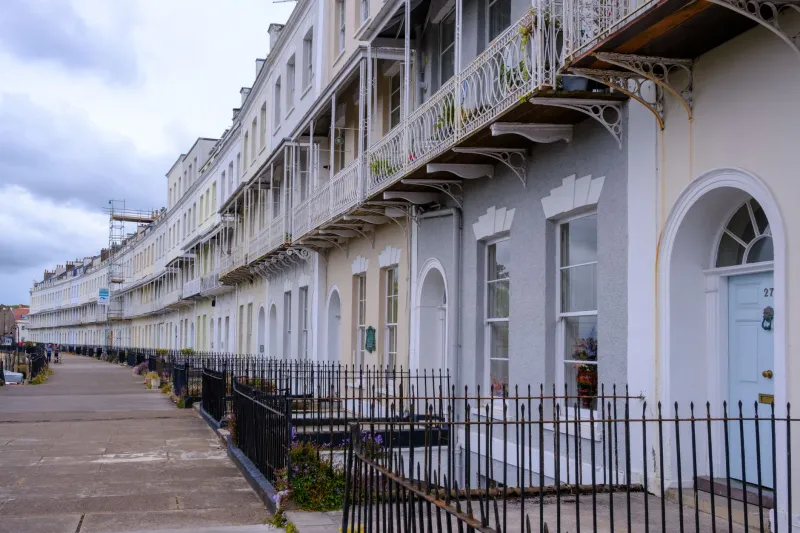
Photo: uPVC aluminium timber window frames comparison Bristol house exterior, via thumbs.dreamstime.com
Walk into any window showroom and you will probably be asked what style you like before anyone asks what your house is actually made of. That is backwards. In Bristol, the frame material matters as much as the glass, because the city’s housing stock is a proper mix: Georgian and Victorian terraces, 1930s semis, post-war estates, Harbourside flats and new-builds that all ask different things of a window.
There is no single best material. There is only the one that fits your house, your budget, your appetite for maintenance and how long you plan to stay. Here is a practical reality check on the three main options.
Start with the house, not the brochure
A Victorian terrace in Redland, a 1930s semi in Horfield and a modern flat near Temple Quay are not the same brief. Period homes often have slim sightlines, sash windows and a street rhythm that chunky frames can spoil. Mid-century and post-war homes tend to suit simpler, more uniform windows. Contemporary extensions and newer builds can carry larger panes and slimmer profiles far more comfortably.
If you are in a conservation area — Clifton, Redland and Old Market all have their own pressures — material choice is not just aesthetic. It can affect what you are allowed to change. Timber is often the easiest conversation with planners, but it is not the only route. The key is to check before you order, not after the frames arrive on a lorry.
uPVC: the practical default
uPVC has become the default for good reason. It is usually the cheapest upfront option, it does not need painting, and modern profiles can deliver strong thermal performance when paired with decent glass and a proper installation. For a lot of Bristol homeowners, especially in 1930s semis, post-war houses and buy-to-let flats, it is a sensible, low-fuss choice.
The trade-offs are familiar. Frames can look bulky next to original timber, so they are less forgiving on period fronts. Very cheap uPVC can feel flimsy, and colour finishes vary enormously. Modern foiled finishes are much better than they used to be, but a glossy white frame on a stone-fronted Clifton house can still look like a visitor from another decade. It is also worth asking about recycled content and end-of-life options if environmental impact matters to you — because it should.
Aluminium: slim, strong and contemporary
Aluminium is the material that often wins on sightlines. It is strong, so frames can be much slimmer than uPVC, which means more glass and less visual clutter. Powder-coated finishes are durable, colours are wide-ranging, and the material is highly recyclable. For contemporary extensions, large sliding doors, Harbourside apartments and modern homes with big openings, it is a natural fit.
The catch is thermal performance. Aluminium conducts heat, so good systems use a thermal break to separate the inside and outside faces of the frame. A cheap aluminium window without that detail can feel cold and perform poorly. Aluminium also tends to cost more than uPVC, and it can sound noisier if the glass and seals are not specified properly. On a busy road, the frame material is only half the story — acoustic glass and good installation do the heavy lifting.
Timber: the long game
Timber is the material that ages with a house rather than against it. It suits period properties, looks right in conservation areas, and can be repaired rather than replaced. A well-made timber window, properly painted and looked after, can last decades. It also feels warm to the touch and breathes in a way that many homeowners appreciate in older Bristol properties.
The honest downside is maintenance. Timber needs repainting every few years, and neglected timber is where the bad reputation comes from. Modern engineered timber and factory finishes have reduced the workload, but they have not removed it. Timber also tends to sit at the higher end of the budget, especially for sash windows and bespoke sizes. If you are planning to move in two years, that long-term value may not be yours to enjoy. If you are staying put, it often makes sense.
The bit salespeople skip: whole-window performance
A frame material does not perform on its own. The glass, spacer bar, seals, drainage and installation all matter. A top-end uPVC window fitted badly will outperform nothing. A beautiful aluminium frame with ordinary glass will still let heat out and traffic noise in.
So ask for the whole-window rating, not just a glass label. Ask how the frame is thermally broken, how the drainage works, and what guarantee covers both the product and the fit. In Bristol’s weather — driving rain, damp winters and the occasional proper gust — water management is not a detail. It is the difference between a window that lasts and one that leaks quietly behind the seal.
A short Bristol shortlist
For a Victorian or Georgian terrace, start with timber or a slim aluminium system, and seriously consider repairing original frames first. For a 1930s semi, uPVC or aluminium can both work well, especially if the bay windows are surveyed properly. For post-war and modern homes, uPVC is often the value pick, while aluminium suits larger openings and contemporary looks. For flats, check freeholder or management company rules before you get attached to a colour.
And if you are in a conservation area, get the planning question sorted early. It is much easier to choose a material when you know what is actually allowed.
Questions worth asking before you sign
Is the frame thermally broken? What is the whole-window energy rating? What exactly does the guarantee cover? Can you see a sample of the frame and finish, not just a photo? Who is doing the installation, and how will they protect your reveals and floors? What happens if a pane fails in year eight?
In 2026, with energy bills still on everyone’s mind, it is tempting to buy the window with the biggest efficiency claim. But the best choice is the one that suits the house, the budget and the way you live. uPVC, aluminium and timber can all be right — just not for every Bristol home.
If you want a second opinion before you sign, C Through Windows Bristol can survey your actual windows and talk through the trade-offs without pushing you toward whatever happens to be on the van that week.