The EPC Is Not a Window Sentence: Reading Bristol Ratings Before You Replace a Pane

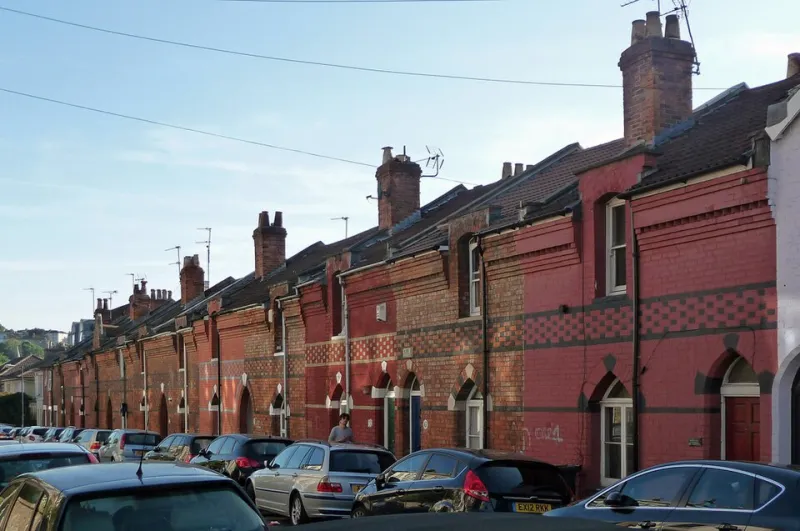
Photo: Aeroprints.com, CC BY-SA 3.0, via Wikimedia Commons
If you’ve just had an EPC done on a Bristol house, there’s a fair chance the report has pointed a firm finger at your windows. It might say “upgrade glazing” or “replace single glazing with double” and leave you wondering whether you’re supposed to start ringing installers tomorrow. Take a breath. The EPC is a useful document, but it is not a window survey, and it definitely isn’t a personalised renovation plan.
What the assessor can actually see
An EPC assessor works to a standard method — usually RdSAP for existing homes. They record the age of the property, the wall type, the heating system, the loft insulation, and yes, the windows. But they are not spending an afternoon with a thermal camera, a draught gauge and a moisture meter. They note whether glazing looks single or double, the frame material, roughly how old it appears, and whether there are obvious secondary panels. Then the software fills in the rest using default assumptions.
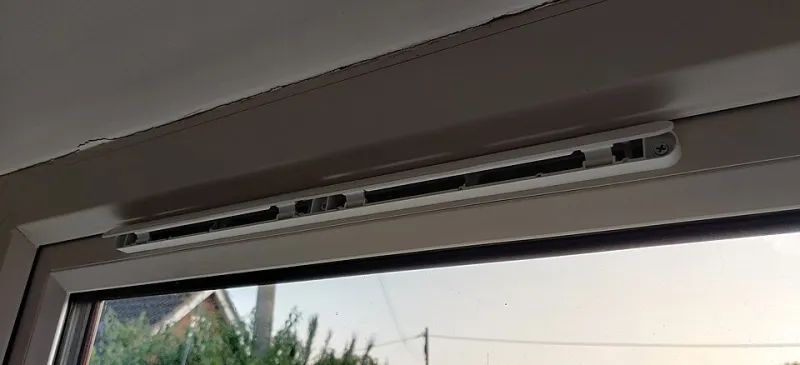
That matters because the EPC is a snapshot built on averages. It doesn’t know that your front sash windows were overhauled two years ago, or that the draught you feel is coming from a failed seal around a trickle vent rather than the glass itself. It also doesn’t know that your south-facing bay gets so much sun that the room overheats in July — a comfort issue an EPC isn’t designed to capture.
Why “upgrade windows” appears so often
The recommendation is generated from a standard library of improvements. If the software sees single glazing, or double glazing it assumes is old and poorly performing, it will often suggest an upgrade. That is not a conspiracy. It is a blunt instrument. The EPC is trying to model energy use across millions of homes, not diagnose the specific window in your back bedroom.
So when the report says windows are a weak point, the sensible reading is: “This is worth investigating.” Not: “Every frame in the house must go.”
Bristol house types change the answer
A solid-wall Victorian terrace in Bedminster or Redland is a different proposition from an interwar semi in Horfield or a newer build on the edge of the city. In a solid-wall Victorian home, windows and draughts can have a bigger relative effect on comfort because the walls themselves lose heat readily. But that doesn’t automatically make replacement the first move. Original sash windows with sound timber, good shutters and a decent draughtproofing job can perform far better than their reputation suggests.
In conservation areas such as Clifton, Redland and Old Market, the EPC also has no idea about planning constraints. It will happily recommend replacement glazing without mentioning that the style, frame depth or glazing bars might need consent. That is not the assessor’s job, but it is yours to check before ordering anything.
Interwar homes often have larger window openings and a mix of original and later frames. Newer Bristol properties may already have double glazing, so the real issue might be installation quality, failed seals or ventilation rather than the glass itself. The EPC’s generic recommendation rarely teases those distinctions apart.
When repair and draughtproofing beat replacement
If the frames are structurally sound, targeted work can be surprisingly effective. Draughtproofing sash windows, replacing perished seals, adjusting hinges, re-puttying loose panes and fixing handles that no longer pull the window tight are all modest jobs with a real comfort payoff. Secondary glazing is another option for period homes, noisy roads or rooms where you want to keep the original windows. It adds a barrier without ripping out the character.
For some Bristol homeowners, this is also the lower-carbon route. Keeping sound timber and glass in place avoids landfill and new manufacturing, and it can be done room by room rather than as one disruptive order.
When replacement is the right call
There are clear cases for new windows: rotten frames that no longer hold a seal, failed sealed units that have fogged up, single glazing in a room that is genuinely cold and hard to keep warm, or safety glass issues in low-level or critical locations. If the existing frames are hollow, warped or letting water into the wall, repair may become false economy.
But even then, it is worth asking whether every window needs the same treatment. A phased approach — doing the worst rooms first, or combining repairs in heritage areas with replacement elsewhere — often makes more sense than a blanket order driven by one line on an EPC.
How to read the EPC without panicking
Look at the recommendation, then look at the assumed cost and typical savings. Those figures are indicative, not a quote for your house. Consider your actual bills, how the rooms feel in winter, and whether condensation is a glass problem or a ventilation problem. Then get a glazier or window specialist to inspect the frames properly. A five-minute look at a failed seal or a draughty sash can tell you more than a software default ever will.
The EPC is a nudge, not a verdict. In Bristol, the right answer is often a mix: repair where the frame deserves it, draughtproof where the gap is the issue, secondary glaze where character matters, and replace only where the window has genuinely had its day. That is a more honest use of the report — and usually a better use of your budget.