The Windows Premium: What Bristol Buyers Actually Pay Extra For
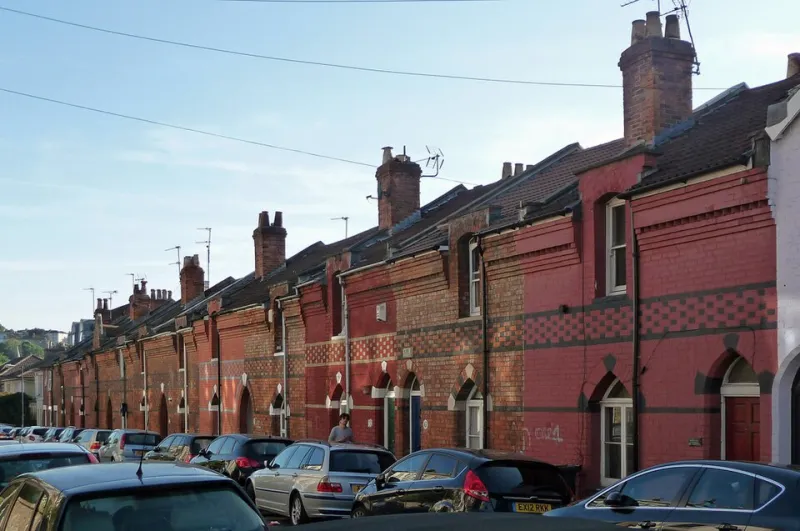
Photo: Stephen Richards , CC BY-SA 2.0, via Wikimedia Commons
Ask a Bristol estate agent whether double glazing adds value and you’ll often get a pause. Not because the answer is no, but because the honest answer is: it depends on the street, the house and what the buyer is already expecting. A new set of windows is rarely a line item that pushes a valuation up by the cost of the job. More often it is an objection remover — and in some parts of the city, an expectation that has to be met before a buyer will even book a viewing.
That distinction matters if you are weighing up a glazing project in 2026. So let’s look at what buyers actually respond to, where Bristol’s housing stock changes the calculation, and when replacing windows is money well spent rather than money spent for comfort alone.
What buyers notice — and what they don’t
Buyers are not usually window experts. They do not arrive with a spacer-bar catalogue. But they notice a cold back bedroom, condensation running down a pane, a draught coming through a hinge, or traffic noise from a busy road. They notice frames that look tired next to freshly painted walls. And they notice when every window in a period terrace has been swapped for thick white uPVC that jars with the street.
That is why glazing affects saleability more than it affects headline valuation. A well-glazed house feels cared for. It removes a nagging worry about immediate spending. But a buyer is unlikely to say, “I’ll pay £12,000 more because the windows are new.” They are more likely to say, “At least I don’t have to do the windows.”
The Bristol baseline: double glazing is now table stakes
Across large parts of Bristol — BS3, BS7, BS6 and the family-house suburbs — double glazing is simply expected. In a modernised Victorian terrace or a 1930s semi, a lack of double glazing is usually a negotiating point, not a premium feature. The buyer may use it to chip away at the asking price, but installing it before sale rarely returns the full cost.
In period homes, the calculation flips again. Original sash windows, proper timber frames and sympathetic glazing can be part of what makes a house desirable. Replacing them with something that looks out of place can actively hurt the way a property is perceived. You are not adding a premium; you may be eroding one.
Terraces and townhouses: Southville, Bedminster, Montpelier
In Bristol’s Victorian terraces, buyers often pay for character. Original sash windows, wide boards, cornices and a sense of proportion all matter. If the sashes are draughty but sound, repair, draught-proofing and secondary glazing can be a smarter route than a full rip-out. It keeps the look, improves comfort and avoids the slightly hollow feel of a period room with modern frames forced into old openings.
Where sashes are beyond repair, a double-glazed timber sash or a well-matched alternative can protect value. What tends to damage value is a blanket replacement that ignores the house. A Victorian terrace full of bulky white frames may still sell — but it is selling despite the windows, not because of them.
Clifton and Redland: conservation and the consent question
Clifton and Redland come with conservation-area expectations, and some streets have tighter rules than others. Buyers in these areas are often alert to whether glazing changes have been done properly. Unauthorised uPVC replacements can be a red flag, and the cost of putting things right may land on the buyer’s radar.
Here, money is best spent on advice before it is spent on glass. Timber sash double glazing, slim-profile units or secondary glazing can all be appropriate depending on the property. The value is not just thermal; it is in being able to say the work was done with consent and with the street in mind. That kind of diligence supports a sale.
1930s semis and post-war estates: Horfield, Fishponds, Bishopsworth
On these streets, replacement uPVC windows are common and buyers expect them. A well-fitted, secure, reasonably efficient set of windows helps a house feel move-in ready. It may not add a big premium, but it can make the difference between a buyer feeling confident and a buyer wondering what else has been neglected.
If the existing windows are old but working, replacing them purely to chase value is usually not the best financial move. Repairing handles, hinges, seals and failed units is often enough. Spend where it removes an objection, not where it simply makes the listing sound shinier.
Flats and new-builds: Harbourside, the city centre and Old Market
Many Bristol flats are already double glazed, and in leasehold buildings the windows may be communal or subject to management rules. Replacing individual windows without consent can create problems that outweigh any perceived value. In new-builds, the glazing is usually part of the original specification; swapping it is rarely a value-add.
The exception is performance. A flat on a busy road may benefit from acoustic glazing, and a buyer might value the quiet. But that is still a comfort and saleability benefit rather than a reliable valuation uplift.
What the energy evidence really says
Energy Performance Certificates matter, and windows form part of the fabric of the building. Better glazing can help an EPC rating, and buyers are more switched on about running costs than they were a decade ago. But an EPC is a modelled estimate, not a promise about bills. The payback on a full house of new windows is long, and the value uplift is rarely equal to the cost.
So treat energy savings as a genuine reason to upgrade if your windows are poor, but do not assume the market will hand you back the invoice. The strongest financial case is usually a mix of comfort, maintenance and removing a buyer objection — not a spreadsheet fantasy.
Where the money is well spent
Repairing failed sealed units, replacing broken hinges and sorting out draughty seals is almost always sensible. Secondary glazing on a period front elevation can be excellent value. Acoustic glass on a noisy road may be worth it for quality of life. Matching new work to the existing house and using a competent installer with the right certificates gives buyers confidence.
Where it is less well spent
Replacing serviceable windows just before a sale is rarely a money-maker. Over-specifying premium frames on a street where buyers expect standard double glazing may not return the difference. Ignoring conservation rules can create a liability. And assuming new windows automatically equal a higher asking price is the most common mistake of all.
A seller’s reality check
Before you spend, ask a local agent what buyers on your street actually comment on. Fix the obvious failures first. Keep receipts, guarantees and installation certificates. Then spend where the work removes doubt, improves comfort or protects the character of the house. In Bristol, windows are part of the story a buyer tells themselves about a property. They can help close a sale — but they are rarely the reason the price goes up.