After the Clocks Go Back: A Bristol Window Security Plan for the Long Evenings
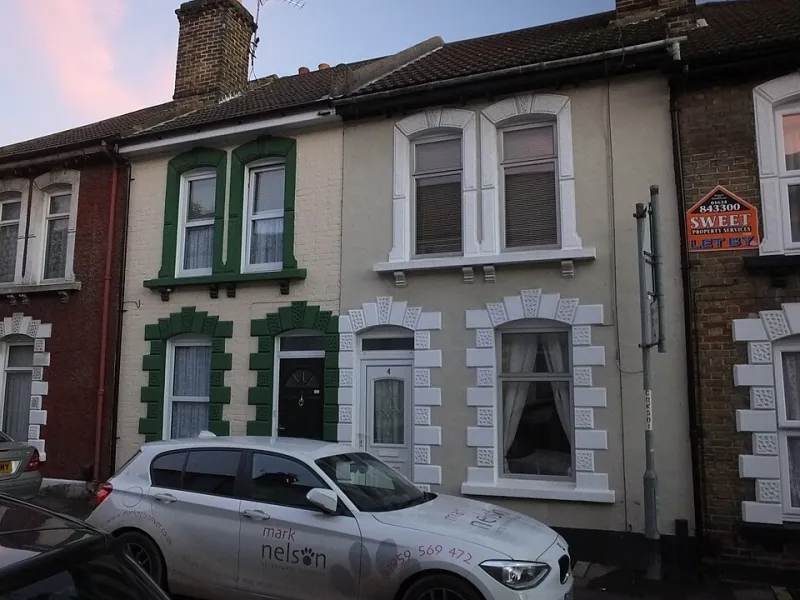
Photo: Photograph by Clem Rutter, Rochester, Kent. (www.clemrutter.net)., CC BY-SA 3.0, via Wikimedia Commons
There is a specific week in early November when Bristol changes character. The clocks go back, the commute home happens in the dark, and the back lanes behind the terraces of Southville and Easton become genuinely unlit. It is also the point in the year when opportunist burglary tends to tick up — not because November criminals are more motivated, but because dark windows with a lamp on behind them are easier to read than lit ones.
Most of what actually reduces risk is unglamorous, cheap and can be done in a weekend. Very little of it involves turning your house into a fortress.
Start with the lock, not the glass
Glass is the thing people worry about and the thing intruders least want to break — noise, time, injury, and an obvious mess. The overwhelming majority of domestic break-ins in the UK go through a door or an openable window that wasn't properly locked, or through hardware that was overcome in seconds.
So the order of priority is:
- Every opening window has a working lock, and it's used. A handle with a key is pointless if the key lives in the handle.
- Ground-floor and accessible first-floor windows meet a recognised standard. PAS 24:2022 is the benchmark for enhanced-security windowsets, and it is what Building Regulations Part Q asks for in new homes. If you are buying new windows in 2026, asking whether the unit is PAS 24 tested is a fair question.
- Doors are the real target. A five-lever mortice deadlock to BS 3621 on a timber door, or a multi-point locking system with a tested cylinder on a composite or uPVC door, is the baseline.
The star rating that actually matters
If your windows or doors have a euro cylinder — the oval metal barrel in the handle — check it. Cylinder snapping is quick, quiet and one of the most common methods used against uPVC doors.
Look for a TS007 3-star kitemarked handle-and-cylinder combination, or a 1-star cylinder paired with a 2-star handle. Anti-snap, anti-bump and anti-drill are the three properties worth having, and they should be on the packaging. A 3-star cylinder is a fifteen-minute swap for a competent DIYer and one of the best-value upgrades in the house.
One more thing worth checking while you're there: beading. Windows glazed from the inside are harder to attack than externally beaded ones. If yours are externally beaded and you are replacing them anyway, ask for internal beading.
Where laminated glass is worth specifying
Toughened glass is a safety product — it breaks into small cubes rather than shards. It is not a security product. Laminated glass, made to BS EN 356 (P2A or above), holds together when struck, which buys time and makes noise.
It is worth the extra in a few specific places:
- Ground-floor windows directly onto a street or alley, where a passer-by is at arm's length from the pane.
- Rear doors and side-return glazing in terraces with shared back lanes — very common in Bedminster, Totterdown and St Werburghs.
- Basement and lower-ground flats in Clifton and the Harbourside, where the sill is at pavement level.
- Any glazed panel within a metre of a door lock, since that is the pane somebody would target.
For upstairs bedrooms and windows above head height, laminated glass is usually a nice-to-have rather than a necessity. Spend the money where someone could actually reach.
Back doors, side gates and the alley problem
Bristol's Victorian terraces often have rear access lanes and side returns, and these are where security habits slip. Three things to sort before the winter:
- Lock the side gate. A gate on a latch is a gate that opens. A keyed bolt costs less than £20.
- Don't leave the wheelie bins against the wall. A bin is a step. So is a stack of pallets, a low shed roof or a garden bench under a kitchen window.
- Check the back door actually locks properly. A wooden back door that has swollen in the damp and no longer engages its deadlock is not locked, whatever the handle says.
If you have a shared back lane, a conversation with the neighbours about keeping the lane lit and gates shut does more than any single device.
Light: useful, not decorative
The goal is not floodlighting. It is removing the dark pockets that make a window easy to work on unseen.
- Dusk-to-dawn fittings on the front and back doors, ideally warm white (around 3000K) rather than a blue-white glare that just annoys the street.
- PIR sensors mounted at 2–2.5 metres, angled down, so they pick up movement without triggering every fox in the postcode.
- Indoor timers or smart plugs on a couple of lamps that come on at staggered times. A lived-in look beats a dark house with one security light blazing away every night.
- Solar bollards or path lights for the front garden — cheap, no wiring, and they mark the route so visitors do not fumble at the door in the dark.
If you are going further, a plug-in dusk-to-dawn LED bulb costs about £8 and can go in an existing porch light this afternoon.
Plants, gravel and sightlines
Planting is the slowest-acting security measure and one of the most effective, because it makes the approach awkward rather than impossible.
Prickly evergreens along a boundary — pyracantha, hawthorn, berberis, holly — are unpleasant to climb through and useful year-round. Gravel in a front garden is noisy underfoot. Keep low shrubs trimmed below waist height so there is a clear sightline from the street to the door: visibility is a deterrent in itself, and it lets a neighbour see anyone loitering.
What to avoid is the accidental ladder: a trellis under a first-floor window, a flat bin store roof, a fence panel right beneath a bathroom pane. Move them or cap them.
A weekend checklist for the darker months
- Test every window lock and every door lock; replace keys that have gone missing.
- Replace euro cylinders with TS007 3-star versions where they aren't already fitted.
- Check external beading and any cracked panes — a split pane is an open invitation.
- Fit a keyed bolt to the side gate; clear the bins away from walls under windows.
- Set timers, fit a dusk-to-dawn bulb at the back door, and angle the PIR downwards.
- Trim anything growing over a ground-floor window and cut back the trellis.
- Photograph your window and door hardware and keep the receipts — insurers ask, and it's easier to have it ready.
None of this requires a security company or a monthly contract. It is mostly a Saturday morning, a screwdriver and a trip to a Bristol hardware shop — and it makes the long evenings a good deal less inviting to anyone who shouldn't be there.