Curtains Against the Cold: When Bristol Window Dressings Quietly Undo Your Glazing
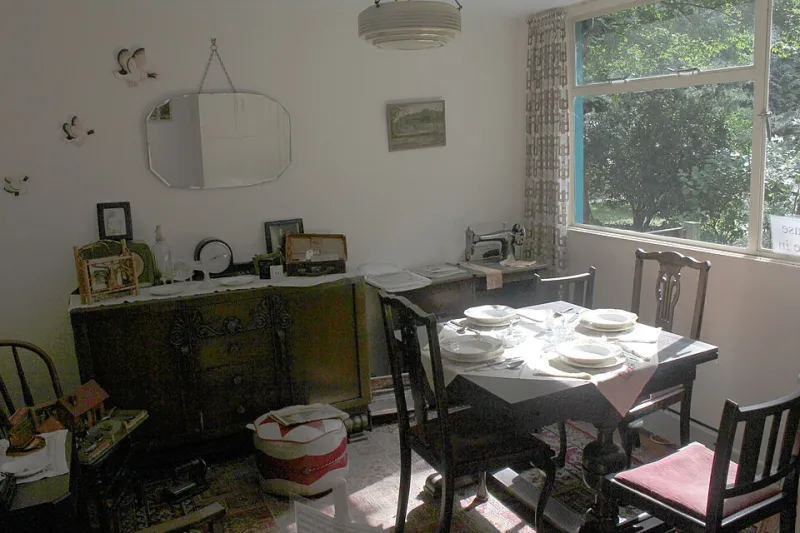
Photo: Tim Sheerman-Chase, CC BY 2.0, via Wikimedia Commons
Bristol homes have a habit of fighting themselves. You invest in new double glazing — maybe in a draughty Victorian terrace in Redland or a 1930s semi in Horfield — and for the first winter the difference is obvious. Then the curtains go back up, the blinds come down, and somehow the room still feels chilly at the edges. Nothing has gone wrong with the glass. It’s just that the stuff around the window is quietly undoing its work.
This isn’t about blaming soft furnishings. Curtains, blinds and shutters are essential for privacy, light control and keeping the heat in. But when they’re hung too close, tucked behind radiators, or closed over trickle vents, they can trap moisture, block warmth and turn a perfectly good window into a cold spot. Here’s how to spot the problem and what to do about it.
The radiator-curtain standoff
The classic Bristol setup: a radiator sits directly under a bay window in the front room, with floor-length curtains drawn across both. It looks cosy. It isn’t. The radiator heats the space behind the curtain, the curtain traps that heat against the glass, and the room stays cooler than it should. Worse, the warm air hitting cold glass encourages condensation — that familiar November film on the inside pane.
If you can’t move the radiator, shorten the curtains so they finish just below the windowsill, or use a radiator shelf to push warm air into the room rather than up the curtain. Better still, switch to a blind that can be raised during the day and lowered at night, leaving the radiator clear. If you love full-length curtains, consider a track that’s set wider than the window reveal so the curtains stack back over the wall rather than over the radiator.
Trickle vents are not a shelf
Modern windows often come with trickle vents — those small slots in the frame that let a controlled amount of fresh air in. They’re there for a reason: ventilation stops condensation and keeps indoor air from getting stale. But blinds and curtains are regularly fitted straight over them, especially in rented flats or quick refurbishments. The result is a window that can’t breathe, a room that feels stuffy, and mould creeping into the corners.
Before you fit any new dressing, check where the vents are. If a blind has to sit over the frame, choose one with a cut-out or a top-fix cassette that leaves the vent clear. For curtains, a ceiling track fixed 10–15cm above the window head is usually enough to keep the fabric off the vent while still looking neat.
Bay windows: the Bristol problem child
Bristol has more than its fair share of bay windows — Clifton, Southville, Bedminster, Easton. They’re beautiful, but they’re also awkward. Curtain tracks that follow the bay can be expensive, and many homeowners resort to a straight track across the front, leaving the side panes permanently covered. That blocks light, traps cold air in the recesses, and can make the window feel draughtier than it is.
A better approach is to use a flexible track that follows the shape of the bay, or to fit shutters on the side panels and a curtain or blind only on the main face. Shutters with adjustable louvres give you privacy without blocking all the light, and they don’t trap warm air against the glass in the same way as heavy curtains. If you’re on a budget, at least make sure the curtains can be pulled clear of the side returns during the day — otherwise the bay becomes a cold, dark alcove.
Room-by-room: a quick dressing audit
Living room (south-facing): This is where overheating happens. Heavy curtains closed during the day will trap solar gain, turning the room into a greenhouse by mid-afternoon. Use a lighter blind or voile that diffuses light without blocking it, and save the heavier curtains for evening. If you have a radiator under the window, keep the sill clear and consider a shelf.
Bedroom (north-facing): Condensation is the enemy here. Curtains that hang over the radiator or touch the glass will stay damp. Choose a blind that can be tilted open at the top, or curtains that finish at the sill. Leave trickle vents open overnight unless it’s extremely cold — the small heat loss is worth it to avoid damp.
Kitchen or bathroom: Shutters or water-resistant blinds are more practical than fabric. They’re easier to wipe down and don’t hold moisture. Make sure any window covering can be pulled fully clear of the trickle vent.
Bay window in a period property: If your bay has single glazing or old secondary glazing, dressings matter even more. Don’t block the side panes with a straight curtain track. Use a flexible track or shutters, and keep the space behind the curtains as clear as possible to allow air to circulate.
New glazing, old habits
If you’ve just had new windows fitted — in 2026 or any time recently — the temptation is to reuse the old curtains and blinds. That’s fine, but check the fit. New frames are often thicker, and the reveal may be shallower than before. A curtain that used to sit neatly might now be pressed against the glass, which is a recipe for condensation. The same goes for radiators: if they were already under the window, the new glazing won’t stop the curtain-radiator conflict.
Take an afternoon to test each room. Close the curtains, turn on the heating, and feel where the warm air goes. If the space between curtain and glass feels noticeably warmer than the room, you’ve got a problem. If the window is wet on the inside after a shower or a cold night, the dressing is probably blocking ventilation.
The small changes that add up
None of this means you need to rip out your curtains or spend a fortune on new blinds. Often it’s a case of shortening a hem, moving a track, or simply remembering to open the blind during the day. Bristol’s climate — damp, mild, with sudden cold snaps — is hard on windows, and the way we dress them can either help or hinder. The glass does its job; the fabric needs to do its own.
If you’re unsure whether your window dressings are causing a problem, start with the free checks: look for condensation, feel for draughts, and check that trickle vents are clear. Most issues are fixable without replacing anything. And if you’re planning new windows or repairs, mention your curtains and radiators to your installer — they can advise on track positions and vent clearance before the fitting day.