A Window at a Time: The Case for Phasing a Bristol Glazing Project Properly
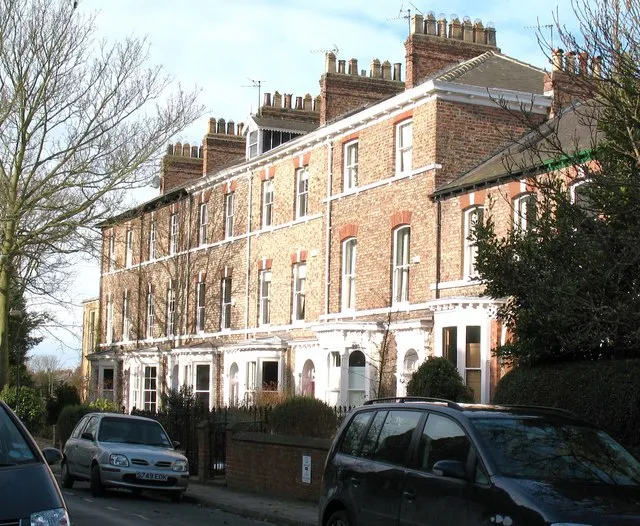
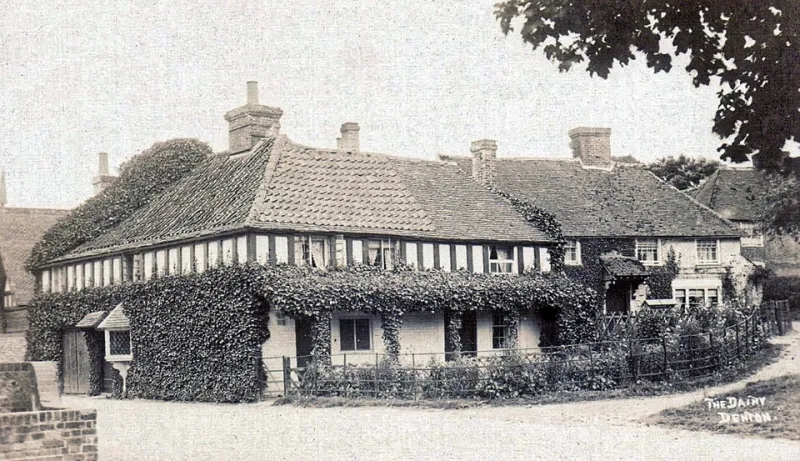
Photo: Gordon Hatton, CC BY-SA 2.0, via Wikimedia Commons
Most window quotes arrive as one big number. Replace the lot, sign here, and a team will turn up in the spring. For plenty of Bristol households, that is not realistic. The budget is not there, the timing is wrong, or the house has a mix of windows in different conditions. The good news is that you do not have to choose between one lonely window and a full-house project. Phased replacement is a sensible way to spread cost and disruption — but only if you plan it properly.
The choice is not really one window or the whole house
A lot of homeowners come to us after one sealed unit has failed. The glass is misty, the frame is fine, and they want to know whether it is worth replacing just that unit. Often it is. A failed double-glazed unit can be swapped without touching a sound frame, especially if the window is a standard size and the glazing beads can be reused.
But a one-off repair is not the same as a phased replacement plan. If you replace one window every few years with whatever quote is cheapest at the time, you can end up with a patchwork of different profiles, colours and glazing bars. That is not the end of the world, but it can look untidy on a Bristol terrace where the front elevation is meant to read as one composition.
When a single failed unit earns its own visit
If the frame is solid, the hinges and handles work, and the only problem is a blown sealed unit, repair is usually the least disruptive option. The same goes for a cracked pane, a broken hinge on a sash window, or a draught that can be fixed with new seals and adjustment. In these cases, replacing the whole window is like buying a new car because the wiper blade has gone.
Have someone check the frame, though. A misty unit can be a symptom of a bigger issue, such as water sitting in the frame or a failed drainage path. If the sill is rotting or the frame is soft, replacing just the glass is delaying the inevitable.
When a one-off job is throwing good money after bad
There are times when a single replacement does not make sense. If the window is part of a bay with several matching units, changing one can make the others look tired. If the frame is old aluminium or timber with poor thermal breaks, a new glass unit may not deliver the comfort you expect. And if you are planning to sell in the next year or two, a mismatched window on the front of a period home can be a small but noticeable niggle for buyers.
In those cases, it is better to either repair what you have or save up for a properly specified replacement rather than a stopgap.
Matching a moving target
Phasing is where good record-keeping pays off. Before you order the first window, note the profile, colour, glazing bar layout, handle style, hinge type, trickle vent position and spacer bar colour. Take photographs of the inside and outside. If you are in a conservation area, keep copies of any consent or advice you have had.
Ask your installer whether the same system will still be available in two or three years. Most reputable companies can tell you what is likely to remain in production, and some will batch-order or hold specifications for phased jobs. It is also worth asking whether the glass specification can stay consistent. A south-facing window fitted in 2026 may need a different coating from a north-facing one, but the frame and sightlines should still match.
The disruption you can and cannot avoid
Every window installation creates dust, noise and a certain amount of chaos. Phasing does not remove that, but it can make it more manageable. Doing one or two rooms at a time means you can keep the rest of the house usable. It also gives you time to decorate after each stage rather than living in a building site for a fortnight.
Be realistic about the weather. Fitting windows in January is possible, but it is not much fun if the room cannot be sealed quickly. A good fitter will protect the opening and work efficiently, but phasing gives you the option to choose drier months for the rooms that matter most.
Thermal bridging: the bit nobody photographs
When you replace a window, the weak point is often the edge of the opening rather than the glass itself. If the new frame is not sealed and insulated properly at the reveals, you can create a cold bridge. That can lead to draughts, condensation and a room that never quite feels warm.
This is why phased jobs need a consistent approach, not a different installer every time. The person fitting stage two should understand how stage one was detailed. Ask about cavity closers, expanding foam, airtight tape and how the reveal will be finished. It is boring stuff, but it is the difference between a window that performs and one that merely looks new.
A sensible order of works for a Bristol terrace or semi
Start with safety and security. If a window is cracked, insecure or letting in water, it goes first. After that, tackle the rooms you use most: the lounge, the main bedroom, the kitchen. If you have a baby or a home office, those rooms may jump the queue.
For a typical Bristol terrace, it often makes sense to do the front elevation in one go if you can, so the street view stays coherent. The rear can then be phased room by room. If you are replacing a bay, treat the whole bay as one stage even if only one unit is faulty, because the visual match matters. Leave the spare bedroom or the little-used box room until last.
Budget for the boring bits
Phased projects often run over because homeowners budget for the windows and forget the making good. Plasterwork, skirting, blinds, curtains, painting and any conservation fees all add up. Keep a contingency of around ten to fifteen per cent, and do not spend it on the first stage.
What I would say to a neighbour
Repair the sound windows. Replace the failed ones when it makes sense. Plan the rest in stages, keep a record of every specification, and use the same approach throughout. A phased project is not a compromise if it is done with a bit of foresight. It is just a slower, more affordable way to get the whole house right.