Three Panes, One Decision: The Triple Glazing Question for Bristol Homes in 2026
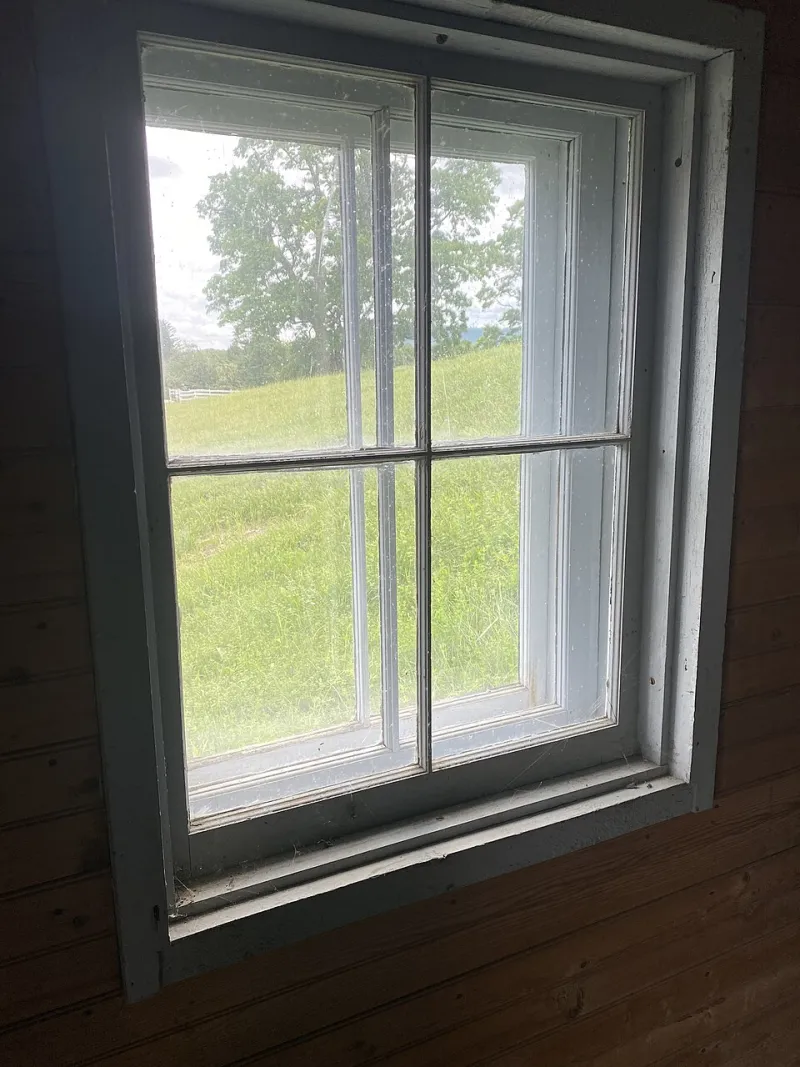
Photo: Jim Griffin, CC0, via Wikimedia Commons
If you spend an afternoon reading glazing brochures, you will come away with the impression that triple glazing is simply double glazing done properly, and that anyone specifying double in 2026 is being quietly fleeced. That is not quite the story in Bristol, where half the housing stock predates the concept of a sealed unit and a good number of front rooms face due south.
This is an opinion piece, and the opinion is this: triple glazing is excellent in the right house and a poor use of money in the wrong one. The variable is not the glass — it is the building it goes into.
What the third pane actually buys you
Three panes with two cavities typically take a window from a whole-unit U-value of roughly 1.2–1.4 W/m²K down to something around 0.8, and the better systems go lower. In plain terms, the glass stays warmer to the touch, the cold downdraught near the window effectively disappears, and outside noise drops noticeably — often by 4–6 dB more than an equivalent double unit, more if the panes are asymmetric in thickness.
That last point matters more than the energy figures for a lot of Bristol homes. Living on the Gloucester Road, the A4, the Wells Road or anywhere within earshot of the M32, acoustic performance is frequently the thing people actually notice day to day. Comfort at the glass is the second. Heating bills are third, and by some distance.
The weight problem nobody puts on the brochure
Glass weighs around 10 kg per square metre per 4mm pane. A typical double unit lands near 20–22 kg/m² plus frame. A standard triple sits closer to 30 kg/m², and it climbs quickly with larger panes or thicker outer glass.
That weight travels through hinges, friction stays, restrictor arms and, in the case of tilt-and-turn or large casements, the frame itself. It also loads the wall. In a bay window with slim mullions, or a first-floor opening above a Bristol pavement where the installers are working off a tower, the practical consequences are real: heavier handling, more fixings, sometimes a different frame specification entirely.
If you are replacing opening lights that are already stiff or sagging, adding 40% more weight to the same hardware without upgrading it is how you end up with dropped sashes and stiff handles two winters later.
Depth, and why Bristol's sashes push back
Standard double glazed sealed units are 28mm. Most triple units run 36–44mm. Frames need a deeper rebate to swallow that, which in a full replacement is fine and in a like-for-like swap often isn't.
The pinch point in Bristol is the sliding sash. Original box frames in Redland, Cotham and Clifton have a fixed pocket depth, and there is simply nowhere for a 40mm unit to go without cutting into the frame or changing the whole profile. Slimmer triple options exist using krypton or vacuum technology at 24–28mm, but they cost more per square metre and are not universally available in heritage profiles. For many period homes, a well-specified slim double with warm-edge spacers and a decent low-e coating is the realistic ceiling — and it gets you most of the way there.
Conservation areas complicate this further. Clifton, Redland and Old Market all have Article 4 directions and consent regimes that constrain what can change on a front elevation. It is worth reading our earlier piece on what Bristol conservation areas actually allow before you get attached to a particular product.
Where triple earns its keep
- Noise-exposed rooms. Bedrooms facing a main road, or under a flight path, where the goal is sleep rather than U-values.
- New-builds and extensions. When the frame is being designed from scratch, depth is free and the marginal cost of the third pane is at its lowest.
- North and east elevations. Rooms that get no useful solar gain have nothing to lose and everything to gain from a warmer inner pane.
- Rooms used at the glass. Window seats, kitchen sinks under a window, home desks — anywhere you sit within half a metre of the glazing for hours.
Where it doesn't
- South-facing living rooms. Triple units usually have a lower solar factor, so they block some of the free winter warmth a south-facing Bristol front room gets for nothing. If overheating is the summer problem, solar control coating on a double unit will do more for less.
- Period sashes in conservation areas. The depth and profile constraints usually make it a non-starter, and the consent risk is real.
- Any house where decent double glazing is already fitted and working. Ripping out functioning units for the U-value alone is almost never rational.
- Homes with bigger fish. A cold loft, an uninsulated solid wall or a howling letterbox will cost you more heat than the difference between two and three panes, and cost far less to fix.
The 2026 payback arithmetic
Take a typical three-bedroom Bristol semi with good double glazing. Windows account for something like 15–20% of the home's heat loss, and the improvement from double to triple cuts window heat loss by roughly a third. On a gas bill of £1,200–£1,500 a year, that is a saving in the region of £50–£100 annually — before you account for any change in how the household actually heats the place.
The premium over equivalent double glazing runs £150–£300 per window, so £1,500–£3,000 across a house. Simple payback lands somewhere between 20 and 40 years, well beyond the realistic life of the unit's seals.
The honest conclusion: triple glazing is not a heating-bill product. It is a comfort, quiet and specification product. Buy it because you want a warmer inner pane and a quieter room, and the numbers stack up. Buy it expecting the gas bill to justify it, and you will be disappointed.
What else the same money could do
Before committing, price the alternatives on the same budget: loft insulation to 300mm, draught-proofing every sash and door, a cylinder jacket, a smart thermostat with proper zoning, and fixing the two windows in the house that are genuinely failed. That package typically costs less than a triple glazing upgrade and cuts more from the annual bill.
Triple glazing has a place in Bristol — quite a large one, in new-builds, busy-road bedrooms and cold north walls. It is just not a universal next step, and any installer who tells you it is without asking about your window depth, your orientation and your existing units is selling a product rather than solving a problem.