The Slot Between Houses: Glazing a Bristol Side Return Without Losing Light or Neighbours
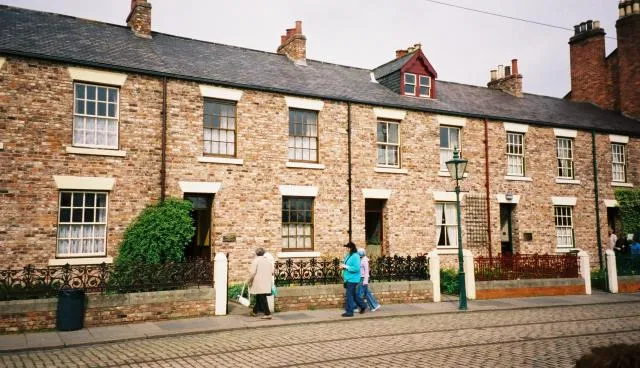
Photo: Dave Eagle, CC BY-SA 2.0, via Wikimedia Commons
Bristol’s Victorian terraces have a very particular shape. Walk through Bishopston, Redland, Southville or Easton and you’ll see the same useful little slot down the side of the house — the side return. It’s often narrow, sometimes gloomy, and almost always begging to be brought into the kitchen. The moment you decide to roof it or glaze it, though, you’re not just buying glass. You’re deciding how much light comes in, how much of next door you can see, how hot the room gets in July, and whether the whole project feels calm or cramped.
That’s why it’s worth slowing down before anyone reaches for the order form. A side return is a tight site with neighbours close by and usually a few awkward junctions. The glazing plan should come before the builder starts ordering, not after.
First, work out what the glass is actually doing
A side-return glazing scheme usually mixes a few jobs: getting daylight into the middle of the plan, connecting the kitchen to the garden, and keeping the room usable without turning it into a greenhouse. The common options are roof lanterns, flat skylights, sliding doors, and fixed glass panels. None is automatically best. They solve different problems.
A roof lantern tends to pull light down into the centre of the room, which is why it’s so popular in deeper side returns. It can look smart and it throws light in a way that vertical glass often can’t. But it also adds height, needs a properly built upstand, and can be a pain to clean if it’s specified badly. Flat skylights are less dramatic and often cheaper, but their daylight gain depends on size, position and how many you fit. Sliding doors give you the garden connection and a decent slab of glass, though the frame and threshold need thought. Fixed glass can be the quiet hero: no opening gear, fewer moving parts, and a clean view, as long as you’ve got ventilation sorted elsewhere.
The practical question is not ‘which one looks best on a brochure?’ It’s ‘where does the dark part of this room sit at 3pm in November, and what glass will fix that without creating a new problem?’
Daylight is about the whole room, not just the roof
In a narrow return, light has to travel. A single small skylight over the sink won’t do much for the back of a kitchen. A generous lantern or a run of flat rooflights over the main circulation route will do more. Fixed glass at the side can help, but only if it isn’t blocked by a fence, a neighbour’s wall or your own units.
It’s also worth thinking about the colour of the frame and the reveal. Chunky dark frames can look excellent, but they eat light. Slimmer profiles and a pale ceiling around the glazing can make a modest opening feel bigger. None of this is about chasing maximum glass for its own sake. A well-placed window that lights the table is better than a glass wall that lights the back of a cupboard.
Overlooking is the conversation nobody wants to have late
Bristol terraces are close. In a side return, your new glazing may look straight at a neighbour’s kitchen window, a bathroom, or the side of their extension. That’s not just a planning tick-box; it’s daily life. If you can see into their landing, they can probably see into your sink.
The usual fix is not to abandon the glass. It’s to be specific. Use obscured or reeded glass where the view is only ever going to be a wall or a neighbour’s window. Put tall fixed panels high up, or use a horizontal band of clear glass above eye level. Keep clear glazing for the garden view and use a frosted panel where the sightline is awkward. If a neighbour has already raised concerns, deal with it early with a sketch and a conversation rather than waiting for a letter.
Planning rules around side extensions and overlooking can be nuanced, especially in conservation areas. Clifton, Redland and parts of Old Market have their own sensitivities. It’s worth checking the current position for your address before the design is fixed, rather than assuming a side return is automatically permitted development. A quick conversation with the council’s planning team or a local designer is cheaper than reordering glass.
South-facing returns can overheat surprisingly fast
A south or west-facing side return can be lovely in winter and uncomfortable in summer. The glass that lets light in also lets heat in. If the room is deep and the glazing is extensive, you can end up with a bright room that nobody wants to sit in during a hot afternoon.
Solar control glass can help, but it isn’t a magic bullet. It reduces some heat gain while still letting daylight through, which is often the right balance. Opening rooflights or sliding doors help with purge ventilation. Blinds or external shading can be added later, but it’s much easier to plan the fixing points now. And if you’re fitting a lantern, think about whether you want opening vents and how they’ll be operated without a stepladder. Overheating is a design issue, not just a glass specification issue.
Snag points to raise before the order goes in
This is the bit that saves money. Before any glass is ordered, make sure someone has checked the structural opening. Side returns often involve steel, and the glazing has to suit the actual opening, not the drawing from three months ago. Roof lanterns need a correctly sized upstand and a proper fall on the flat roof around them. Sliding doors need a threshold detail that works with your floor level and doesn’t leave a trip hazard or a puddle trap.
Also ask about safe glazing where panels go low, thermal performance for the whole assembly rather than just the glass, and who is responsible for sealing and making good. Check access for installation: a narrow side return can be awkward for frames and glass, and that affects labour. In 2026, lead times can still move, so confirm what happens if the glass arrives after the roof is open.
Finally, get the guarantee and maintenance instructions in writing. A roof lantern that leaks because the upstand was wrong is not a glazing fault, but it will still feel like one when the rain comes in.
A sensible order of decisions
Start with how you want to use the room, then work out the daylight and privacy trade-offs, then choose the glass types, then check the planning and structural details, and only then place the order. If your builder wants to order before those conversations have happened, that’s the moment to pause. A side return is a small space with a lot of glass in it. Get the plan right and it will feel like the room was always meant to be there. Get it wrong and you’ll be living with the compromise every day — usually while looking at next door’s extractor fan.