Conservation Areas in Bristol: What Clifton, Redland and Old Market Homeowners Can Actually Change
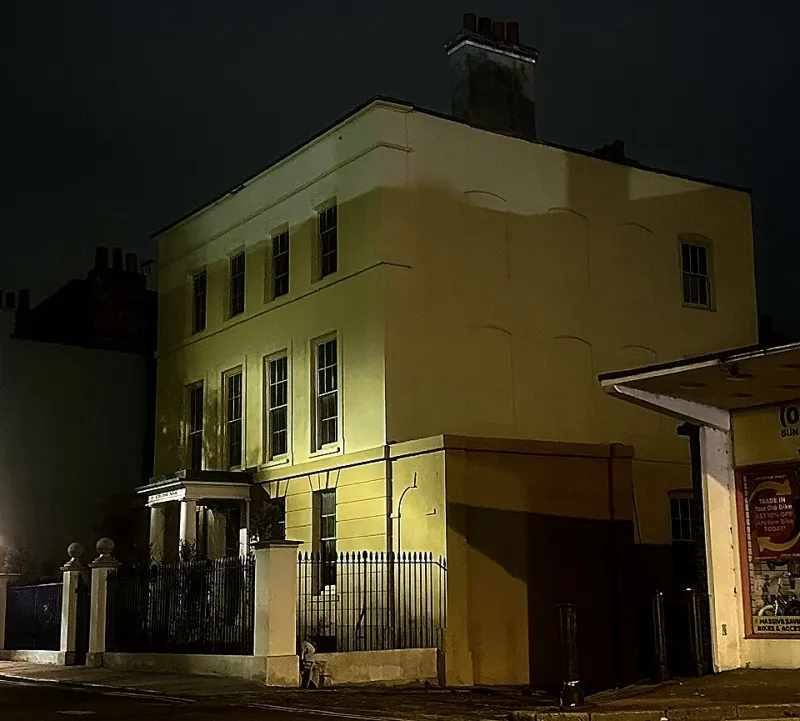
Photo: OathOn, CC BY-SA 4.0, via Wikimedia Commons
Few things in Bristol property paperwork cause more confusion than windows in a conservation area. A homeowner in Clifton gets a quote for uPVC sash replacements. A neighbour in Redland says they were told timber only. Someone in Old Market has been told they need listed building consent for a flat that is not listed. All three can be right, all three can be wrong, and the only way to know is to check the specific building and street.
Bristol’s conservation areas are not museum pieces. They are lived-in streets with schools, shops, families and buses. But the rules do exist to protect the things that make those areas distinctive: roofscapes, boundary walls, shopfronts and, very often, windows.
Three different permissions, one front door
Most confusion comes from mixing up three separate things.
Planning permission is about the external appearance and use of a building. In a conservation area, some alterations that would normally be allowed under permitted development may need planning permission because they affect the character of the area. Demolition also has extra controls.
An Article 4 direction removes permitted development rights for specified works. That means a change that might have been done without asking the council, such as replacing a front window, can need planning permission. Parts of Clifton and Redland are covered by Article 4 directions, but the exact streets and the exact restrictions matter. You cannot assume a blanket rule for the whole postcode.
Listed building consent is different again. If the building is listed, consent is needed for alterations that affect its character as a building of special architectural or historic interest. That can include internal work as well as external work. A listed building may also need planning permission, so it is not either-or.
Building regulations are separate from all of the above. They cover things like thermal performance, safety glazing and ventilation. A window can be planning-compliant and still fall short on building regs, or the other way round.
Can uPVC ever be approved?
Yes, sometimes. It is not automatically banned in every conservation area, and plenty of Bristol homes already have uPVC windows that were installed years ago. But approval is rarely a simple matter of picking a white frame from a brochure. In an Article 4 area, on a prominent front elevation, uPVC is often resisted because of the material, the profile depth and the way the glazing bars are handled. A council officer will look at whether the proposal preserves or enhances the character of the area, not just whether it is cheaper than timber.
On a rear elevation that is not visible from the street, the conversation can be different. The same goes for some flats and commercial buildings where the window is not part of the main streetscape. The lesson is not to assume yes or no. Ask the council before you order anything.
Why like-for-like sash replacement is often smoother
If you have timber sash windows, a like-for-like replacement is usually the path of least resistance. That means matching the material, the proportions, the glazing bar pattern and the way the sashes sit in the frame. It does not automatically mean single glazing and a cold bedroom. Slim double-glazed units can often be fitted into timber sashes, and draught-proofing, proper seals and decent ironmongery make a real difference. The window looks right from the street, and the room feels warmer.
A good installer will talk about sightlines, putty lines, horns, staff beads and the depth of the rebate. If those words mean nothing to the person quoting, that is a warning sign. In a conservation area, the details are the job.
Old Market is its own story
Old Market has a different streetscape from Clifton and Redland. It mixes older commercial buildings, upper-floor flats and shopfronts, and the conservation area rules are applied with that context in mind. A window that would look ordinary on a red-brick terrace in Redland may look out of place above a historic shopfront in Old Market. The principle is the same, though: check the specific building, the specific elevation and any Article 4 direction before assuming what is allowed.
Secondary glazing: warmth without touching the front elevation
Secondary glazing is an internal window fitted inside the existing one. It adds a layer of glass and a sealed air gap, which can cut draughts, reduce noise and make a room feel noticeably warmer. Because it does not usually change the outside appearance, it is often a practical option in conservation areas where the front elevation needs to stay as it is.
It is not a free pass. In a listed building, internal alterations can still need consent. In a flat, the freeholder or management company may have a say. And secondary glazing needs to be specified properly so it does not trap condensation against the original glass. Used well, it is one of the least invasive ways to improve comfort without changing the street scene.
Check first, then get quotes
Start with Bristol City Council’s planning portal and the conservation team. Ask for pre-application advice if the proposal is not straightforward. Put the address, the elevation and photos in front of the council before you pay a deposit. Ask for written confirmation of what is and is not permitted, and keep it with your paperwork.
A realistic timeline looks like this: pre-application advice can take several weeks; a planning application or listed building consent often takes around eight to thirteen weeks; fabrication after approval can take another six to twelve weeks. Add installation time and you are often looking at a three-to-six-month project. Anyone promising a compliant heritage window in a fortnight is either misunderstanding the rules or hoping you will not ask.
The cheapest quote is rarely the compliant one. A proper quote should include drawings, details, thermal performance, installation method and, where relevant, the planning or consent process. If consent is excluded, ask who is doing it and what happens if the council says no.
At C Through Windows Bristol, we would rather have an awkward conversation about consent at the start than a lovely new window that has to come out again. In a conservation area, the slow route is usually the cheaper route in the end.